The LBC Vibe
- Long Beach offers a diverse community, blending urban life with beach vibes, making it ideal for those who value character over polish.
- Safety varies by neighborhood; Belmont Shore and Belmont Heights are safer, while downtown has a visible unhoused population.
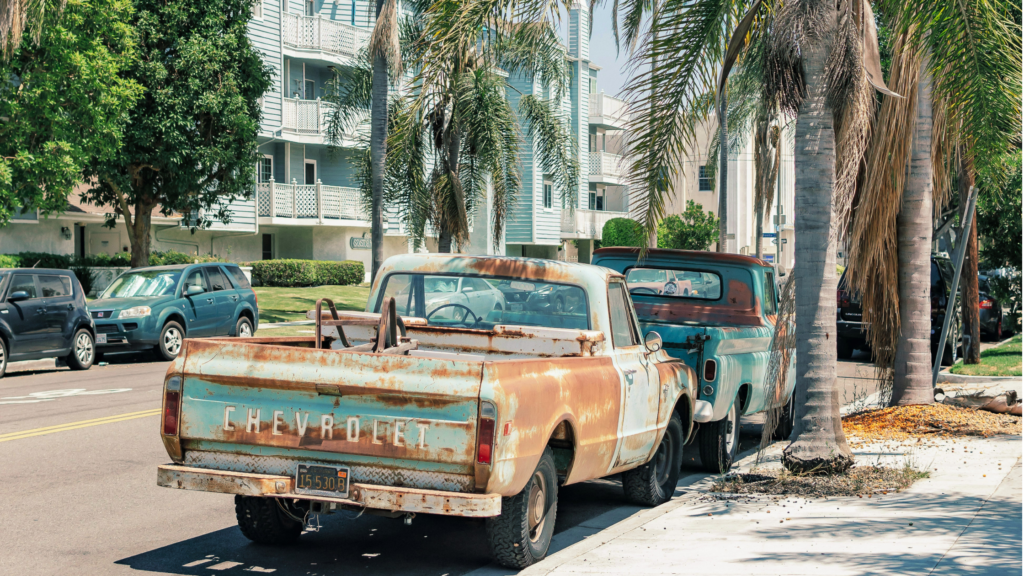
- Most neighborhoods are walkable, yet residents need to be mindful of car-light living and parking challenges, especially near the coast.
- Long Beach has hidden-gem beaches; however, the downtown beach is often viewed as undesirable due to water quality issues.
- The “long beach vibe” stands out with a thriving arts scene, diverse food options, and a welcoming LGBTQ+ community, distinguishing it from other California cities.
Look, I’m going to save you a whole afternoon of doom-scrolling Reddit threads and arguing with strangers in the comments: I’ve lived here my whole life, and I’m about to tell you exactly who Long Beach is for, who it’s not for, and what nobody warns you about until you’re already circling the block for the eleventh time looking for parking.
Because that’s the thing about asking, “should I live in Long Beach?” — everyone’s got a hot take, half of them have never actually lived here, and the loudest opinions usually come from someone who spent one sketchy weekend downtown and decided the whole city was a wash. So let’s get into it.
First things first: it’s Belmont Shore. Singular.
One shore. If you type “Belmont Shores” in the local subreddit, the natives will find you, and they will roast you. Consider this your one free pass.
And while we’re here — it’s not “Belmont” either. I once knew a girl (who did not live here, of course) who kept calling it “Belmont,” and I physically cringed every single time. It’s Belmont Shore, or if you’ve earned it, The Shore. That’s it. Get it right and you’ll blend; get it wrong and you’ll out yourself as a tourist before you’ve even ordered an iced latte. You’re welcome.
Now that we’ve handled the pop quiz, let’s talk about whether this weird, wonderful, ridiculously charming city is actually your speed.
Is Long Beach safe to live in?
Short answer: yes. Long answer: yes, but Long Beach is a big, dense, real city, and it behaves like one. That means it’s not a uniform experience block to block — which is honestly true of every city worth living in.
The neighborhoods south of about 10th Street — Belmont Shore, Belmont Heights, Alamitos Beach, the Broadway corridor — are verifiably safe. Folks walk their dogs at night. Kids and strollers share the sidewalk with drag queens and skaters and goth teenagers and nobody blinks. That’s just a Tuesday here.
Downtown is where the reputation comes from, and I’ll be straight with you: there’s a visible unhoused population, and it’s the part of the city most people are describing when they call Long Beach “sketchy.” But even downtown residents will tell you the area feels solidly fine day-to-day, and a lot of the fear-mongering is from people repeating things they heard rather than things they lived.
Just use city smarts, don’t leave anything visible in your car, and you’ll be fine. This isn’t a war zone. It’s a working-class beach city with a lot of different people packed close together, and that mix is the whole point.

The neighborhoods in Long Beach
Don’t come at me if I don’t mention your specific neighborhood. Long Beach is like 1000 different cities wearing a trench coat. Here’s the high-level overview without getting into the gritty details.
Belmont Shore & Belmont Heights — The crown jewels for walkability. Second Street is the beating heart of the Shore: bars, restaurants, coffee, boutiques, all on foot, and the whole strip comes alive for events like Stroll & Savor. Beautiful older homes, tree-lined streets, genuine neighborhood pride, and a real family-friendly-but-still-fun energy. It’s the closest thing Long Beach has to that polished West LA beach-town feel — which also means it’s pricier and can lean a little NIMBY. The Belmont Shore Brendas have a robust showing on Nextdoor and they are miffed that people are having a good time on 2nd Street.
Here’s the local nuance nobody tells transplants: Belmont Heights is the quiet sibling and honestly the sweet spot for a lot of people. You get to walk or bike to Second Street, Retro Row, and the beach, rents run a touch cheaper than the Shore, and the parking is dramatically more sane the moment you’re off the 2nd Street drag. Raising a kid who can bike to the sand without you chauffeuring everywhere? This is the dream. And tucked right in the mix are the mini-neighborhoods people quietly covet — Bluff Park, Bluff Heights, and the Carroll Park / Rose Park pockets — leafy, historic, walkable, and a nice in-between if the Shore feels too bro-y and downtown feels too chaotic. If you want charm and you can lock down parking (we’ll get there), you really can’t lose here.
Alamitos Beach — Don’t let the internet scare you out of this Long Beach neighborhood. Urban, diverse, a little gritty in the best way, genuinely walkable to the water, and historically the last truly affordable slice of beach-adjacent living. You’re steps from the Broadway corridor — lovingly known as the gayborhood — plus Retro Row on 4th Street and a stacked lineup of bars and restaurants. This is the pick if you’re young, WFH, and want to actually walk out your door into the action.
Now the honest part. It’s louder and more chaotic than the quiet neighborhoods, you’ll share the sidewalk with some folks who are clearly struggling with mental health or addiction, car break-ins are a real thing, and parking is genuinely brutal without a dedicated spot. But here’s what the Nextdoor doom-scrollers won’t tell you: violent crime against residents is rare, and the people who actually live here overwhelmingly describe walking their dogs at 2am without incident. Back in the day when I worked at Crow’s, I lived in this neighborhood and would park blocks and BLOCKS away from my apartment and walk home in my short skirt and $300 in tips in my purse without any hassle. The local rules of thumb are real and worth knowing — east of Alamitos Ave is calmer than west, south of 7th is calmer than north, and Junipero is the unofficial line where things mellow out fast. Keep your head up, skip the alleys at night, carry pepper spray if it gives you peace of mind, don’t leave anything visible in your car, and you’ll likely love it. It’s not for the faint of heart, but it’s got more soul than almost anywhere in the city.
Downtown / East Village / The Promenade — If you’re young, single, and want the newest apartment buildings with actual amenities plus the most stuff within stumbling distance, DTLB is basically your only option in Long Beach — nowhere else has the high-rises. The East Village Arts District, the Promenade, the Pike, Shoreline — there’s a genuine walk-out-your-door energy here, and plenty of residents will passionately defend it as chill and endlessly convenient.
But I’m not going to sugarcoat it: downtown took the pandemic on the chin and hasn’t fully bounced back. Empty storefronts sap the energy, it has the city’s most concentrated unhoused population, and even fans will admit the neighborhood-y touches — the little corner grocery, the mom-and-pop café — are thin on the ground compared to elsewhere (locals literally drive up to Bixby Knolls for a nicer grocery run). The general safety wisdom is that below 7th Street feels solidly fine day-to-day, and the whole area is walkable if you’re an alert city person. The luxury high-rises are a whole conversation of their own (keep reading). Go in with clear eyes: DTLB is a spot you either vibe with immediately or don’t, so spend real time there before you sign.
Bixby Knolls — The one everybody quietly wishes they could afford. There’s a running joke among locals that “if you can buy a house in California, buy in Bixby Knolls,” and honestly? Fair. It’s the golden mean of Long Beach: safe, clean, and quiet, but with enough breweries, coffee shops, bakeries, and restaurants along Atlantic (Thunderbolt, the First Fridays scene, Steelcraft nearby) that it stays walkable and genuinely fun. The lots are bigger than anything near the beach, so your dogs and future kids get actual yard space, and you’re sandwiched between the 405 and 710 for easy escapes to LA or OC.
It reads as a settled-in, family-first, small-town community — and yes, plenty of LGBTQ+, just with more property and fewer headaches than Alamitos Beach. The most-coveted pocket runs roughly south of San Antonio, north of Wardlow, west of Orange, and east of Pacific, where the houses were built one at a time and drip with craftsman charm; the adjacent Country Club Manor and Los Cerritos (below the Virginia Country Club) are equally dreamy. Two honest caveats: it skews a bit older (think 30s–60s more than 20-somethings), and the airplane noise is real — the flight schools out of Long Beach Airport run near-constant training loops, so check the flight path for any specific house before you fall in love. If you want laid-back over flashy, this is the safest bet in the city.
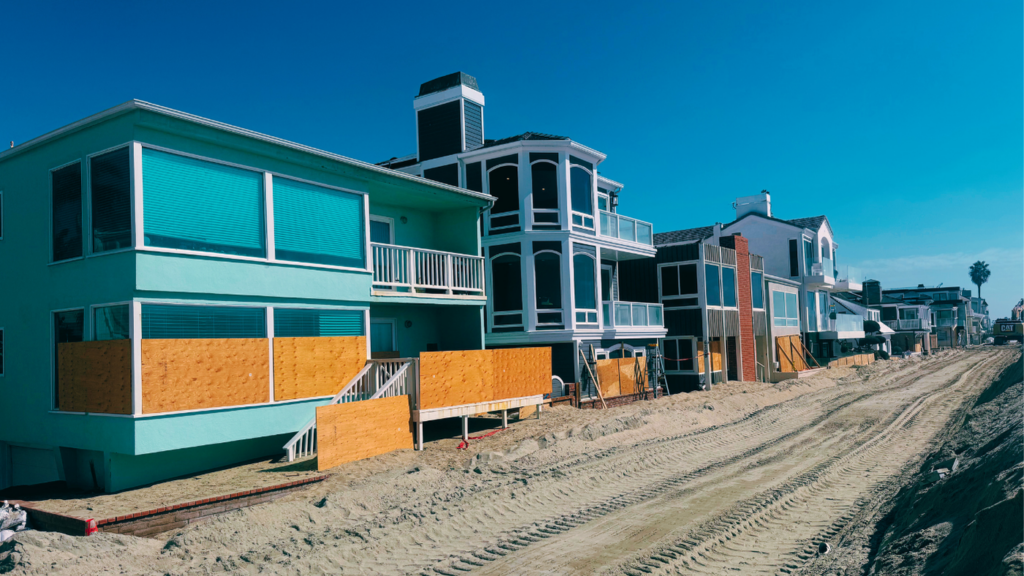
Naples & The Peninsula — This is your “I made it and I want to take the duffy to dinner” zone. Naples is the Long Beach fantasy: actual canals lined with gorgeous homes, gondola rides, paddle boards and kayaks off Bayshore, and a Christmastime lights display where the whole island goes all-out and half the city comes to gawk. The Peninsula — that skinny strip of sand between the bay and the ocean at the far end of the beach path — is a lot of locals’ single favorite neighborhood, quiet and tucked-away with water on both sides and a true beachy vibe.
The catch is exactly what you’d guess: it’s expensive, it’s more residential than lively, and it’s about as far as you can get from downtown while still being in Long Beach. But if your priorities are waterfront and calm, and you don’t need nightlife at your doorstep, this is as good as SoCal beach living gets.
The Eastside / El Dorado Park area — This is the true Long Beach suburbs, and it’s a completely different animal from everything else on this list. Out here near CSULB, hugging the Orange County line and El Dorado Park, nobody’s strolling to brunch. This is car country. The walkable-coffee-shop-on-every-corner thing everyone gushes about? Not the vibe. Good restaurants and cute cafés are fewer and farther between, and you will absolutely be driving to most of them. But here’s the trade-off, and it’s a real one: it’s quiet, it’s calm, it’s peaceful, and — blessed be — parking is actually easy. You get more house and more breathing room for your money, tree-lined streets, block parties where the neighbors all know each other, that whole “small progressive Midwestern town that happens to be in California” feel. And the crown jewel is El Dorado Park itself, which is genuinely lovely — sprawling green space, lakes, picnic spots, the works — plus the El Dorado Nature Center, a little pocket of trails and wildlife that feels a world away from the 605 roaring next door. If your dream is a peaceful house with a driveway, a park down the street, and you don’t mind that “going out” means getting in the car, the Eastside is your spot. Just know what you’re signing up for: this is suburbia, not a walkable beach scene.
California Heights, Los Cerritos, Wrigley & North Long Beach — The value belt, and more interesting than it gets credit for. California Heights (Cal Heights) is a designated historic district full of charming homes, a strong contingent of families and homeowners, and walkable spots — it’s Bixby-adjacent and shares the same appeal (and, fair warning, the same airplane noise). Longfellow Elementary here is a genuinely beloved school, which is why families snap the area up. Los Cerritos, just below the Virginia Country Club, is quiet, historic, and quietly one of the nicest pockets in the whole city.
Wrigley is the more in-transition, more affordable option: older apartment stock, less walkable, but close to Bixby and home to cool spots like Long Beach Beer Lab, with big street-upgrade grants headed its way. Then there’s North Long Beach, which is genuinely a mixed bag — some lovely, tight-knit residential blocks where people have happily lived for decades, and some rougher stretches, especially up near the Compton border and the Long Beach Blvd / Artesia corridor. The local guidance is pretty consistent: stay south of Del Amo, and the vibe shifts noticeably once you cross the tracks. There’s real money to be saved up here and a new crop of good coffee and food spots emerging, but it’s the part of the city where the specific block matters most, so do your homework street by street.
The Westside (West Long Beach) — The most slept-on part of the whole city, and the one longtime locals are lowkey glad stays off the radar. Tucked in close to the LA River between downtown and the ports, this is proud, blue-collar Long Beach at its most authentic — heavily Latino, family-first, and the kind of place where neighbors have owned their homes for 20+ years, know each other by name, and kids still ride bikes up and down the block. You get real yard space and homeownership for prices that’ll make coastal renters weep, plus refreshingly easy parking and noticeably less of the transient activity that hits downtown.
The trade-offs are real and worth naming: it’s close to the ports and refineries, so air quality is genuinely the weak spot (an air purifier isn’t a bad idea, especially if you’ve got asthma), and it’s historically been a bit of a retail desert — thin on big grocery stores, pharmacies, and banks, though that’s slowly improving. Safety-wise, it’s a mind-your-business, don’t-flash-valuables neighborhood; the people who actually live there overwhelmingly report it’s chill and welcoming.
But here’s the reason to care even if you don’t live here: the Westside is a hidden-gem food destination. Cruise Santa Fe Avenue after dark and you’ll hit some of the best tacos in the city — al pastor off the spit, birria dripping with consommé, Sinaloa-style mariscos and aguachile, weekend tamale stands with a permanent line, and curbside vendors slinging elote, tostadas, and bacon-wrapped street dogs. It’s intensely local, budget-friendly, and completely un-whitewashed — the stuff you drive across town for. If your priorities are space, ownership, community, and eating ridiculously well, don’t sleep on the Westside.
A word on those shiny downtown “luxury” apartments
I need you to hear me. If you’re eyeing a glossy high-rise downtown because the price-per-square-foot looks amazing and the amenities photos are stunning — do your homework first. Ask around, read the reviews, search the building name before you sign anything.
The recurring theme from actual tenants is maintenance nightmares, security issues, and management drama at several of these buildings. The consensus from locals who’ve been burned: you’re often better off in a small-landlord unit in Alamitos Beach, Belmont Heights, or Rose Park than in an amenities-stacked tower that looks perfect until move-in day. If you do go high-rise, prioritize 24-hour security and negotiate a move-in special. And get. A. Parking. Spot.
Long Beach parking: the villain of every conversation
Okay. The parking. If you take one thing from this entire post, take this: do not, under any circumstances, rent a place without dedicated parking in the dense neighborhoods. I don’t care how cute the apartment is.
I’m not being dramatic. People here spend 30+ minutes circling for a spot, playing musical cars on street-sweeping day, sitting on paid-lot waitlists for months. Half the parking crunch is families with five cars and garages full of stuff. It’s the number one quality-of-life complaint in the whole city, ahead of crime, ahead of everything.
Get the spot. Guarantee the spot. Put it in writing. This is the hill.
Is Long Beach walkable? Can I live car-free?
Yes and yes-ish, depending on the neighborhood. On the Eastside? Absolutely not. But this is one of the genuinely great things about LB and a big reason people go for it. In the coastal neighborhoods you can walk or bike for the vast majority of your daily life — coffee, groceries, dinner, the beach. The city’s been building out bike lanes, the bus system is better than most of LA/OC gives it credit for, and there’s a Metro rail line straight to DTLA.
Plenty of people here live car-free and love it. The catch: that rail line is also the last stop coming out of LA, which contributes to the downtown unhoused situation, and getting to the rest of Southern California often does require a car. So car-light is very achievable in the right neighborhood. Fully car-free is doable if you’re committed and you pick your address wisely.
Big asterisk, though: this walkable-paradise talk applies to the coastal and central neighborhoods. Head out to the Eastside near El Dorado Park and it flips completely — that’s suburbia, you’ll need a car for basically everything, and honestly that’s the appeal for the people who live there. Long Beach contains both realities. Choose your neighborhood to match the lifestyle you actually want, because they are not the same city.
The Long Beach vibe: who thrives here?
Here’s the part the listicles miss. Long Beach’s real product isn’t the beach — it’s the mix.
This is one of the most diverse cities in California, and I mean that beyond the brochure version. Million-dollar homes sit a block from working-class rentals, and because parking’s tight and nobody’s hiding in an underground garage, people actually cross paths. You know your neighbors. There’s a genuine, unpretentious sense of community you don’t get in the shinier, more homogenous beach towns up and down the coast.
It’s liberal without being self-righteous about it. It’s artistic and a little weird — you’ll see a guy biking down the beach with a parrot on his shoulder while someone else DJs conga music through giant speakers, and that’s a normal afternoon. There’s a huge, welcoming LGBTQ+ community (second largest to San Francisco), and the Broadway corridor is at the heart.
People care about small businesses here. The food scene is genuinely diverse and exciting, the coffee shops are excellent, and the brewery and cocktail-bar scene punches way above its weight. There are amateur sports leagues for basically everything, farmers markets multiple days a week, and events for every possible occasion.
If you want a chill, diverse, creative, dog-friendly, walkable beach city with actual character and community — Long Beach will feel like home faster than almost anywhere else in SoCal.
Now the honest downsides, because I’m not a tourism board
I love this city. I’m also not going to gaslight you. Here’s what you’re signing up for:
The main beach is the one to avoid. Here’s the plot twist nobody warns transplants about: the big, obvious stretch of sand along the harbor downtown is the worst beach in the city. The breakwater keeps the water dead-flat and a little stagnant, the LA River funnels trash right onto the shoreline, the water quality is genuinely iffy, and those charming little “islands” off the coast are oil derricks in disguise. I rode the beach bike path this past weekend and watched people set up their umbrellas and coolers directly in front of a storm/sewer drain, fully committed, like — what are we doing here?? Please don’t be that person.
The good news: there are absolutely hidden-gem beaches in Long Beach where you can actually enjoy the sand and water — you just have to know where to go instead of plopping down on the first patch you see. (I break down my favorite local spots in[my Long Beach hidden-gem beaches guide — the Peninsula, the bayside pockets, and a few others that put the tourist stretch to shame.) Point is: you live in Long Beach for the city first, but the good beach days are here too if you know the map.
The “island effect.” Long Beach is a straight shot to DTLA on paper, but it’s tucked into a corner, and getting out via the 405, 710, PCH, or 7th Street can be a whole thing. A lot of people who live here feel a little cut off from the rest of LA and the Orange Curtain. If your dream is to be out in Hollywood or West LA every weekend, you may find LB isolating. If your dream is to build a full life inside your own city and only occasionally brave the freeway — perfect.
Rent keeps climbing. It’s still more affordable than most SoCal beach cities, which is the whole draw. But that gap is shrinking, longtime residents are getting priced out, and “affordable beach town” is becoming a relative term. With Olympics investment coming, don’t expect prices to chill out anytime soon. So I have a love/hate thing going on about writing this entire post: I want to gush about the LBC, but also I don’t want the word to get out because people will flock here and fuck it all up.
So — is Long Beach right for you?
You’ll love it if: you want diversity and community over polish, you value a walkable neighborhood and great local food over a pristine beach, you’re building a life rather than commuting into central LA daily, you appreciate a little grit and a lot of character, and you can make peace with the parking gods.
You might not vibe with it if: you need a spotless, upscale, resort-style beach experience, you’re commuting to LA or OC every single day, you want a buzzing big-city nightlife scene, or the idea of hunting for parking makes you want to lie down.
Me? I’ve never left, and I’m not planning to. Long Beach is the jack-of-all-trades city — master of none, maybe, but it’s got all of it in one imperfect, ridiculously charming package. And once it’s home, everywhere else just feels like you’re visiting.
Welcome to the LBC. Find parking. Learn to say Belmont Shore. You’re going to fit right in.
Oh, and one last thing. Somewhere along the way the powers-that-be decided our official rallying cry should be “Long Beach Vibe City.” Yes, really. A room full of officials looked at 50 square miles of punk grandpas, dive-bar regulars, dog-beach devotees, dock workers, thrifters, vegans, and parking rage and landed on… Long Beach Vibe City. Bless their hearts. Look — Long Beach absolutely has a vibe, more than almost anywhere. But the second you put it on a banner and slap it in a press release, you’ve officially killed it. That’s the most un-Long Beach thing imaginable. We don’t need a slogan, we need a parking spot. Leave the vibe to us.
FAQs
Is Long Beach a safe place to live?
Generally, yes. Coastal and central neighborhoods like Belmont Shore, Belmont Heights, and Alamitos Beach are considered very safe for day-to-day living. Downtown has a more visible unhoused population and a rougher reputation, but even most downtown residents report feeling fine below 7th Street. Petty car break-ins are the most common issue citywide, so never leave valuables visible in your vehicle.
What are the best neighborhoods in Long Beach?
Belmont Shore and Belmont Heights are top picks for walkability and charm. Alamitos Beach offers diverse, affordable beach living. Bixby Knolls, California Heights, and Los Cerritos are chill and family-friendly. Naples and the Peninsula are upscale and waterfront. Downtown/East Village suits people who want a walkable little-big-city feel and don’t mind some rough edges. And for proud, family-oriented, affordable homeownership plus some of the city’s best authentic tacos, don’t overlook the Westside (West Long Beach).
Is parking really that bad in Long Beach?
In the dense coastal and downtown-adjacent neighborhoods, yes — street parking is scarce and competitive, with residents reporting long searches and street-sweeping headaches. Always rent a place with a dedicated, guaranteed parking spot. The further inland you go (the Eastside, Bixby Knolls, the Westside), the easier parking gets.
Is Long Beach walkable and can I live without a car?
The coastal and central neighborhoods are very walkable and bikeable, and the bus and Metro rail options can be helpful, so car-free or car-light living is realistic in the right area. The Eastside near El Dorado Park and the more suburban pockets are the exception — out there you’ll need a car. And reaching the rest of LA and OC usually requires one regardless.
Which neighborhood in Long Beach is best for families?
Bixby Knolls, California Heights, and Los Cerritos are consistent family favorites for their larger lots, quiet streets, and strong schools. Belmont Heights and Naples are great if you want kids to bike to the beach, and the Westside offers space and community at a lower price point.
Is Long Beach LGBTQ+ friendly?
Very. Long Beach has one of the largest LGBTQ+ communities in the region, an iconic annual Pride celebration, and a well-established gayborhood along the Broadway corridor near Alamitos Beach.
How is the beach in Long Beach?
The main beach along the downtown harbor is the one to skip — the breakwater leaves the water flat and stagnant, and trash from the LA River collects along the shoreline. But Long Beach has better hidden-gem beach spots (the Peninsula and Horny Corner areas among them) if you know where to go.
Where is the best authentic Mexican food in Long Beach?
The Westside (West Long Beach) is the city’s under-the-radar food destination — cruise Santa Fe Avenue for al pastor, birria, Sinaloa-style mariscos, weekend tamale stands, and street vendors serving elote and bacon-wrapped hot dogs. It’s local, budget-friendly, and worth the drive.
Is Long Beach cheaper than LA?
Historically yes — it’s long been one of the more affordable beach-adjacent cities in Southern California. That said, rents have been rising steadily and the affordability gap is narrowing.

Photo courtesy of Alex Ramon: https://unsplash.com/@alexrsu